

Diet Chart for Weight Loss
Weight loss needs care and clear goals. Many people fail due to poor food plans. A diet chart for weight loss gives a clear path. It shows what to eat and when to eat. This helps the body burn fat in a safe way. Planned meals lower hunger and stress. They also stop junk food use. A good diet chart for weight loss helps long-term fat loss. It builds healthy habits for life.
A clear diet plan removes food guesswork. It saves time and effort each day. People feel more control over meals. This reduces sudden cravings. A proper plan also helps keep energy stable. It supports better digestion and sleep. When food is planned, the body feels balanced. This makes weight loss easier to follow. A diet chart for weight loss also helps track progress. It keeps focus strong and goals clear. Over time, this routine turns into a healthy lifestyle that supports both body and mind through a proper diet chart for weight loss.
🍳 How Weight Loss Works in the Body
Weight loss works when the body burns more energy than it gets. Food gives energy to the body. When food is scarce, the body uses stored fat. This leads to weight loss. Metabolism helps burn this energy. A fast metabolism burns fat with ease. Daily movement also helps burn fat. Walking and light work boost fat loss while following a diet chart for weight loss.
- The body burns fat for energy
- Less food helps fat use
- Daily movement burns more fat
- Metabolism controls fat burn
- Active life boosts results

🔥 Key Nutrients Needed for Healthy Weight Loss
The body needs many nutrients to stay strong. Protein helps build muscle and keeps hunger low. Carbs give energy for daily work. Fats help the body work well. Fiber helps digestion and keeps the stomach full. Balance of all nutrients is key. Too much or too little can harm health. A good diet chart for weight loss keeps this balance.
- Protein keeps hunger low
- Carbs give daily energy
- Fats support body health
- Fiber aids digestion
- Balance keeps the body strong
🥦 Foods to Eat for Effective Weight Loss
Whole foods safely help weight loss. Fresh fruits give fiber and vitamins. Veg foods are low in fat and high in fiber. Lean protein, like eggs, fish, and beans, helps muscle growth. Whole grains give slow energy. These foods keep hunger low for long hours. Daily meals should focus on fresh food as part of a diet chart for a weight loss.
- Fresh fruits give fiber
- Veg foods keep calories low
- Lean protein builds muscle
- Whole grains give slow energy
- Natural foods support fat loss
❌ Foods to Avoid During Weight Loss
Some foods slow weight loss. Sugar adds empty energy and fat. Refined carbs raise hunger fast. Fried food has high fat and low nutritional value. Packaged food has hidden sugar and fat. Sweet drinks add many calories. These foods stop fat burn. Avoid them for better results when following a diet chart for weight loss.
- Sugar adds extra fat
- Fried food slows progress
- Pack food hides calories
- Sweet drinks raise weight
- Refined carbs increase hunger
⚖️ Importance of Portion Control
Portion size matters a lot in weight loss. Even healthy food can cause weight gain if eaten in excess. Small plates help control food size. Eating slowly helps sense fullness. Proper portion size lowers calorie intake. This helps steady fat loss. A diet chart for weight loss shows the right portion size for each meal.
- Portion size affects weight
- Small meals reduce calories
- Slow eating improves control
- Right amount aids fat loss
- Diet chart guides portions
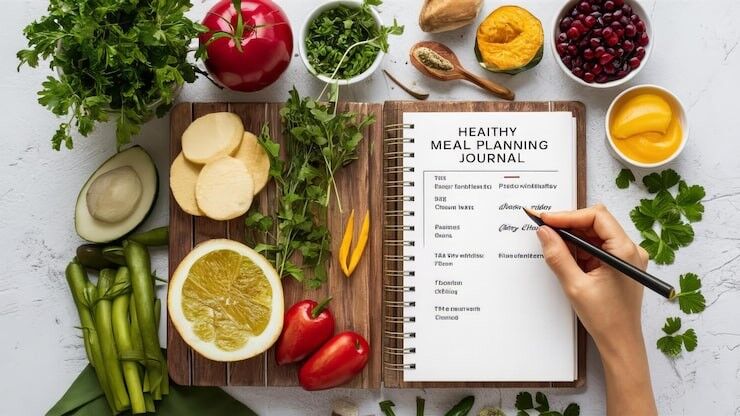
Daily Diet Chart for Weight Loss 🥗
| Meal Time ⏰ | Food Items 🍴 | Tips 💡 |
| Early Morning 🌅 | Warm water 💧 + Lemon 🍋 | Drink slowly to wake up your digestion |
| Breakfast 🍳 | Oats 🥣 + Fruits 🍎 or Eggs 🍳 | Keep meals light and protein-rich |
| Mid-Morning Snack 🍌 | Nuts 🥜 + Fruit 🍊 | Avoid sugary snacks like 🍩🍔 |
| Lunch 🥗 | Brown rice 🍚 + Veggies 🥦 + Lean meat 🍗 | Eat slowly to feel full |
| Evening Snack 🌄 | Green tea 🍵 + Fruit 🍏 | Avoid fried snacks like 🍟🍕 |
| Dinner 🌙 | Soup 🥣 + Salad 🥗 | Keep low-fat and eat early |
| Water Intake 💧 | 8-10 glasses 💦 | Drink through the day |
🌅 Sample Morning Diet Plan
Morning meals set the tone for the day. Start with warm water to wake digestion. Add a fruit for fiber. Eat a light breakfast with protein. Eggs, oats, or yogurt are good choices. Avoid heavy food in the morning. A light meal keeps energy high and hunger low in a diet chart for weight loss.
- Warm water starts digestion
- Fruit adds natural fiber
- A light meal boosts energy
- Protein keeps hunger low
- Simple food works best
🍱 Sample Afternoon Diet Plan
Afternoon meals fuel daily tasks. Eat a small snack if hungry. Nuts, fruit, or yogurt work well. Lunch should have protein and veg. Add whole grains for energy. Avoid heavy sauces. Eat slowly and stop when full. This helps avoid fat gain while following a diet chart for weight loss.
- A small snack stops cravings
- Nuts give healthy fat
- A balanced lunch fuels the body
- Veg adds fiber and bulk
- Light meals prevent fat gain
🌙 Sample Evening Diet Plan
Evening meals should be light. Choose a healthy snack if needed. Fruit or nuts are good options. Dinner should be simple and low-fat. Veg soup or grilled food works well. Avoid late-night eating. A light dinner helps fat burn during rest in a diet chart for weight loss.
- Light snacks reduce hunger
- Fruit is a safe choice
- A simple dinner aids rest
- Low-fat meals work best
- Early dinner helps fat burn
💧 Hydration and Its Role in Weight Loss
Water plays a key role in fat loss. It helps digestion and detox. Drink water throughout the day. It also helps control hunger. Avoid sweet drinks and soda. Herbal tea is a better choice. Proper water intake boosts fat burn and health.
- Water boosts fat burn
- It aids digestion
- It controls false hunger
- Herbal drinks support health
- Sweet drinks add weight
⚠️Common Diet Mistakes to Avoid
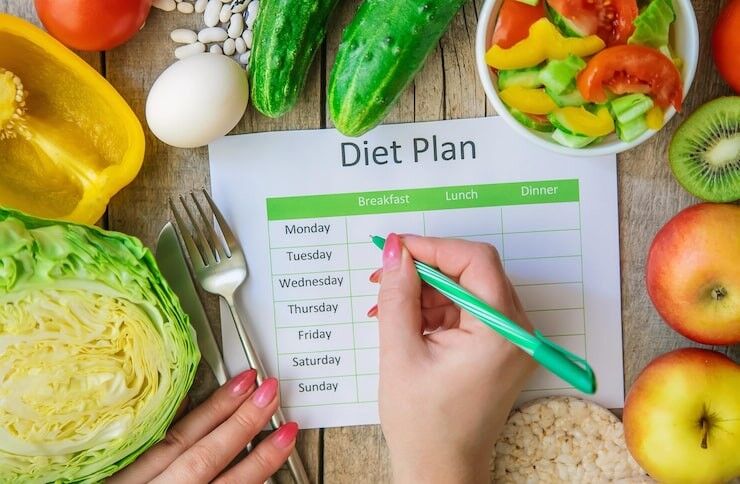
Many people make diet mistakes. Crash diets harm the body. Skipping meals slows metabolism. Unrealistic goals cause stress. Poor planning leads to junk food use. Avoid these habits for safe weight loss. A steady plan gives better results.
- Crash diets harm health
- Skipped meals slow fat burn
- A poor plan leads to junk
- Unrealistic goals cause stress
- Quick fixes fail long-term
Frequently Asked Questions
- What is a diet chart for weight loss?
A diet chart is a daily food plan. It shows what to eat and when to eat. It helps control calories and support fat loss. - Can I lose weight without skipping meals?
Yes, you can lose weight without skipping meals. Eating balanced meals keeps metabolism active and reduces hunger. - How long does it take to see weight loss results?
Weight loss takes time. Most people see a change in a few weeks with a healthy diet and daily movement. - Is exercise needed with a diet chart?
Exercise helps with weight loss, but diet plays a bigger role. Light activity with a good diet gives better results. - Can I follow the same diet chart long-term?
Yes, a simple diet chart can be followed long-term. It supports steady weight loss and good health.
Conclusion
Weight loss needs time and care. It does not happen in one day. A diet chart gives clear food rules and daily guidance. It helps avoid confusion and poor food choices. Staying consistent with meals is very important. Fixed meal timing supports better digestion and fat burn. Fresh food should be the main choice each day. Fruits, vegetables, and simple meals keep the body light and active. Avoid quick fixes that promise fast results.
Harsh diets can harm health and slow progress. Healthy eating should feel simple and easy. Drink enough water and stay active daily. Small steps give strong results over time. Make healthy food a daily habit, not a short plan. This approach supports steady weight loss. It also improves energy, mood, and overall health. Long-term success comes from balance and patience.